
Living Through a Renovation Without Losing Your Mind
Practical advice on staying in your home during a renovation or extension, what to expect week to week, and when it is better to move out.
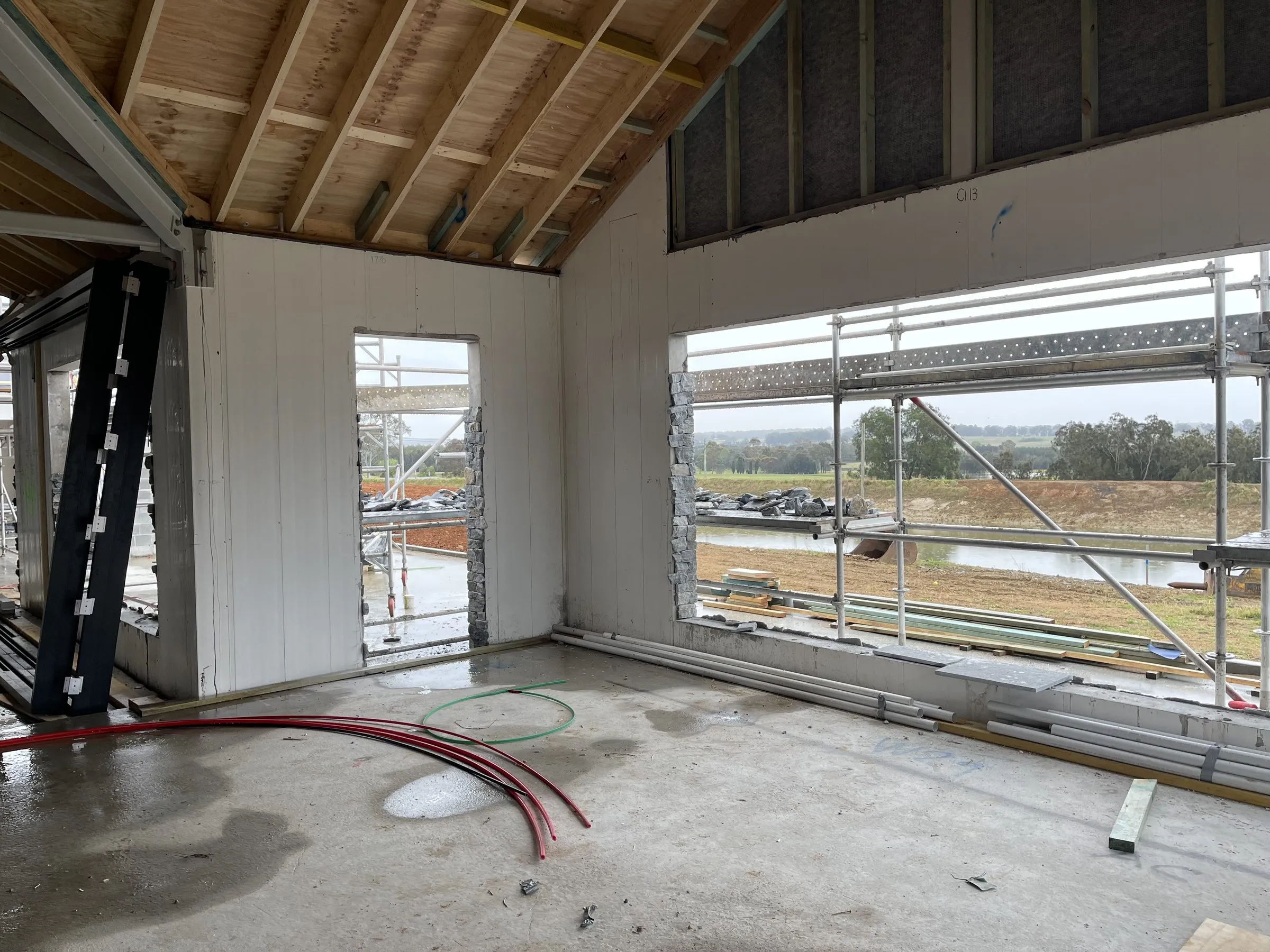
Staying in the house saves rent and keeps you close to the job. It also means living with dust, noise and tradespeople for months. Here is how to make it work, and how to know when it will not.
When staying is realistic
- Ground floor extensions where the existing house stays sealed
- Single-room renovations, one bathroom or kitchen at a time
- External work such as decks, cladding or roofing
- Any job where you keep a working kitchen and at least one bathroom
When you should plan to move out
- Second storey additions during the roof-off and framing stage
- Whole-house renovations where every wet area is offline at once
- Any job involving licensed asbestos removal
- Floor sanding and sealing, for a few days at minimum
- Where someone in the house has a respiratory condition
Be honest about this at the planning stage. Deciding to move out at week five, in a hurry, costs more than arranging it in advance.
Making it liveable
Set up a temporary kitchen early. A bench, a kettle, a microwave, a fridge and a sink somewhere else in the house. A laundry tub works. Do this before the kitchen goes, not after.
Agree the dust barrier before demolition. Proper plastic sheeting with zips, taped to floor and ceiling, not a sheet draped over a doorway. Ask for it specifically.
Keep one bathroom sacred. If you have two, only one gets renovated at a time. If you have one, budget for a portable option or plan to be elsewhere.
Pack away what you value. Dust penetrates everything. Anything precious, soft furnishings and clothing you are not using should be boxed and stored away from the works.
Agree working hours in writing. Standard is 7am to 5pm weekdays and 8am to 1pm Saturdays. Know what you have agreed to.
The rhythm of a job
Weeks 1 to 2, demolition. The loudest and dustiest stage. Also the most visibly dramatic, which is oddly encouraging.
Weeks 3 to 6, structure. Framing, roof, windows. Progress is very visible and morale is high.
Weeks 7 to 10, services and lining. Plumbing, electrical, insulation, plasterboard. Progress looks slow because most of it disappears inside walls. This is where people get discouraged.
Weeks 11 onward, fit-out. Tiling, joinery, painting, fixtures. Progress becomes visible again.
The middle stage is the hard one. Nothing seems to change for a fortnight because the work is inside the walls. It is not stalled, it is just invisible.
Living with trades
Most tradespeople are considerate, but a house full of them is still a house full of strangers. Agree where they park, where they eat, which toilet they use, and how they get in when you are out.
A key safe or a lock box is simpler than being home at 7am every day.
Communication
Ask for a weekly update: what happened, what is next, anything that has changed. A short conversation each Friday prevents most disputes.
If something looks wrong, say so immediately. Fixing a misplaced window before the cladding goes on is trivial. Fixing it afterwards is not.
The honest summary
Staying put is achievable on most jobs if the house is properly sealed and you keep a kitchen and bathroom. It is genuinely miserable when the whole house is a site at once.
We stage jobs specifically to keep people living in their homes for as long as possible, and we will tell you honestly when we think you should be somewhere else.
More building advice
Adding a Bedroom and Ensuite: What to Expect
Costs, layout considerations and approval requirements for adding a bedroom and ensuite to a Newcastle or Lake Macquarie home.
How Long Does a Home Extension Actually Take?
A realistic timeline for a home extension in Newcastle, from first sketch to handover, and the stages where delays genuinely happen.
Granny Flats in Newcastle: Rules, Costs and Whether It Stacks Up
What you can build under the NSW secondary dwelling rules, what a granny flat costs in the Newcastle area, and the return it typically delivers.